 Mattresses
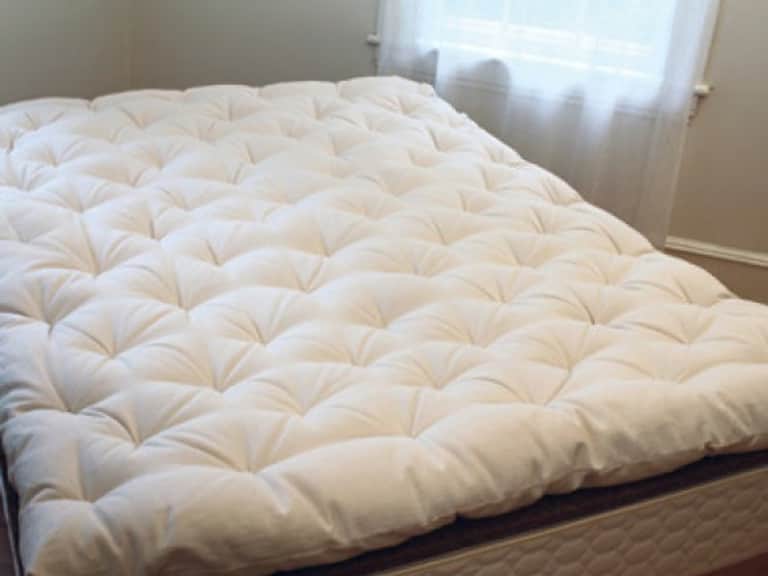
Savvy Rest Pastoral Wool Mattress
Sleep cooler and drier with breathable, latex-free wool padding and organic cotton cover, handcrafted for comfort and chemical-free rest, versatile for any room.
Kids mattresses are designed to support growing bodies with appropriate alignment, cushioning, and durability. Understanding mattress construction, firmness levels, and material composition helps caregivers select options that promote healthy spinal development and comfortable sleep. Common features include breathable covers, zoned support, and safe, low-toxicity materials suitable for children’s sensitive skin.
In educational terms, memory foam, latex, and hybrid constructions each offer distinct advantages for kids. Memory foam provides contouring support, while latex offers responsiveness and durability. Hybrid designs combine coils with foam for balanced support and airflow. Evaluating thickness, weight limits, and edge support aids in choosing a mattress that accommodates frequent movement and long-term use.
For natural and hypoallergenic choices, wools, latex, and organic fabrics are important considerations. The Savvy Rest Pastoral Wool Mattress exemplifies a wool-inclusive approach, providing temperature regulation, moisture management, and a resilient feel. Wool layers can help regulate sleep temperature across seasons, contributing to a comfortable night’s rest.
Key features to assess include firmness, height, and cover materials, as well as certifications and safety standards relevant to children’s products. A well-chosen kids mattress should offer durable construction, easy maintenance, and compatibility with adjustable foundations if used in multi-position setups. Understanding these aspects supports long-term comfort and healthy sleep habits.
Beyond the core mattress, supporting components such as toppers, sheets, and compatible foundations extend usability. When considering a kids sleep environment, focus on breathable bedding, hypoallergenic fabrics, and the ability to maintain a clean, comfortable surface. These elements collectively contribute to safer, more restorative sleep for children.
Mattresses